Who Were the Watchers? A Protestant Reading of 1 Enoch 6–16

Nathan Calloway
May 8, 2026 · 9 min read
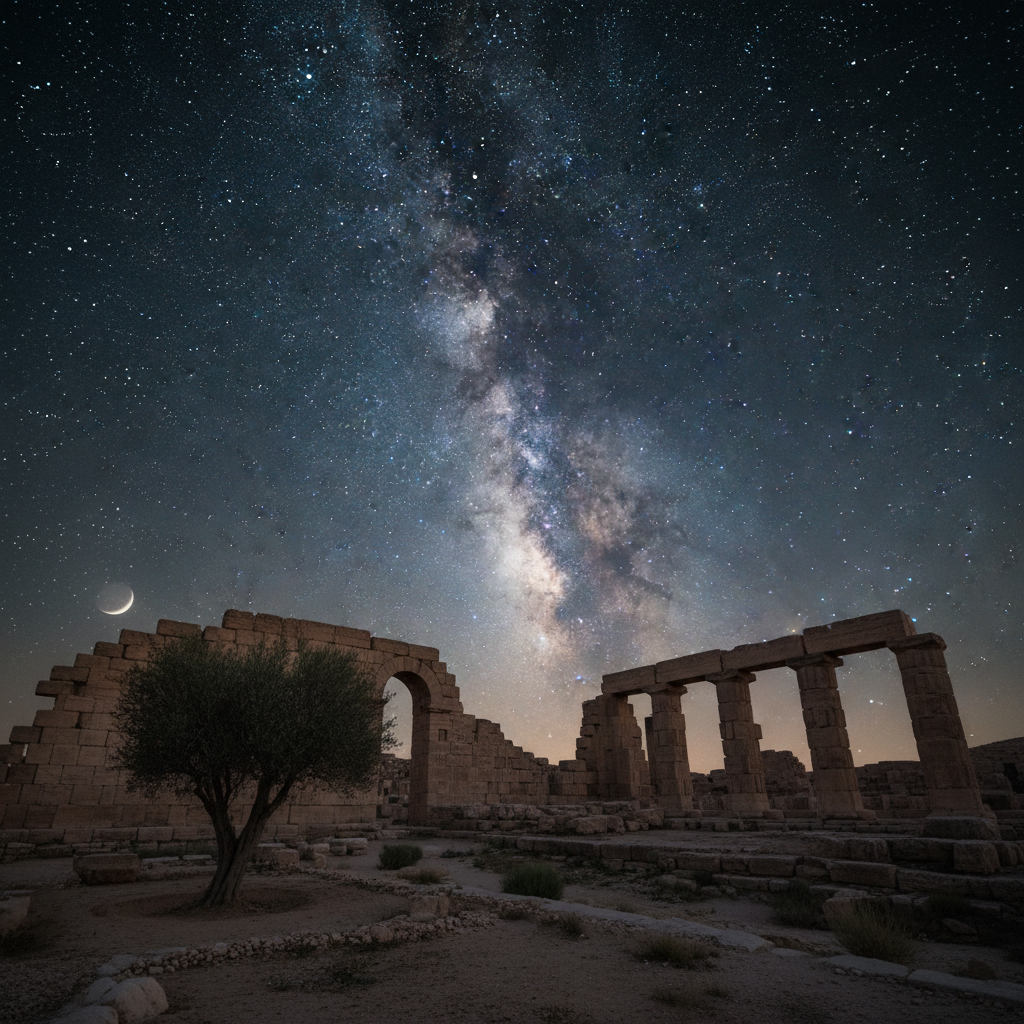
In 1 Enoch chapters 6–16, we encounter one of the most dramatic narratives in all of ancient Jewish literature: the descent of 200 angels called the Watchers, their corruption of humanity, and the catastrophic consequences that followed. For Protestant Christians reading this for the first time, it can feel unsettling — almost like finding a new chapter of Genesis nobody told you about.
What Does the Text Actually Say?
“And it came to pass when the children of men had multiplied that in those days were born unto them beautiful and comely daughters. And the angels, the children of the heaven, saw and lusted after them, and said to one another: Come, let us choose us wives from among the children of men and beget us children.”
1 Enoch 6:1–2
The Watchers (Hebrew: Irin) are presented as a class of angelic beings who abandoned their heavenly station and took human wives. Their leader is Shemyaza, though Azazel plays a prominent role as the one who taught humanity forbidden knowledge: metallurgy for weapons, cosmetics for seduction, and occult arts.
How Does This Connect to the Bible?
The most obvious connection is Genesis 6:1–4 — the mysterious passage about the “sons of God” and the “daughters of men.” First Enoch is best understood as an elaborate expansion of this cryptic passage. The “sons of God” (bene Elohim) in Genesis are the same figures as the Watchers in Enoch.
Protestant Perspective
The Watcher narrative in 1 Enoch is not Scripture and carries no doctrinal authority. However, it represents how Second Temple Jews understood Genesis 6 — and that interpretive tradition was alive in the world of Jesus and Paul. Reading it helps us understand references in 2 Peter 2:4, Jude 6, and even Revelation.
What Should We Do With This?
Read it as ancient background literature — the way you might read Josephus or the Dead Sea Scrolls. It illuminates the world of the New Testament without replacing or overriding it. Jude quotes 1 Enoch 1:9 directly (Jude 14–15), which tells us the author expected his readers to recognize it. That doesn’t make 1 Enoch inspired Scripture; it tells us the text was widely known and culturally relevant.
The Watcher narrative ultimately reinforces what Scripture already teaches: that rebellion against God — whether human or angelic — leads to judgment, and that God’s sovereignty over all creation is absolute. Enoch’s vision ends not with chaos but with the promise of a righteous judge who will set all things right. That’s a message Christians can receive with gratitude.
Enjoyed this article?
Get the next chapter commentary in your inbox every week.
About the Author
Nathan Calloway
Founder & Commentary Author
Nathan is a Reformed Baptist lay theologian with 12 years of study in Second Temple Judaism, biblical theology, and non-canonical literature. He holds a B.A. in Biblical Studies and has taught Sunday school on the intertestamental period for a decade.
Full Bio